
Piling Rocks
sounds of memory, weight of silence

“As above, so below”—Emerald Tablet
I’ll call him Fillmore Grin. He rested toothpicks in his mouth and taught me the power of silence. His family had lived in Soldier’s Grove for at least seven generations. They were nothing special, one might say, no family-run store or an invention amongst them. Good gardeners and mushroom hunters the most common opinion of the family. Although they were admired at what fewer and fewer still respect—home economics—aka, tidy self-sufficiency. Fillmore wasn’t one to speak more than a few words at a time. As if to accent this, he scarred his lips and the fronts of his gums to a crisp using a blow torch, while on the job, trying to light a cigarette. This cut his very few words to nothing. He retired soon after. Neither he nor his colleagues felt much empathy when he departed. A propensity to tell the truth and not cut corners left him perpetually at odds with others.
After retiring as a field conservation officer with the DNR, he sauntered more casually through the driftless region. A few months passed without him speaking to mend his scars. Over this time, Fillmore concluded talking was essentially unnecessary. He got along with frowns, smiles, sneers, shakes, nods, eye rolls, and raising or dropping his shoulders. The only problem he had was with other people. They thought he should speak more, explain himself. Wondered if his burnt lips had humiliated him? Was he depressed? Was he sad? Lonely? Fillmore did not give an owl’s hoot about these mind readings. He shrugged his shoulders and went in search of more chanterelles and brook trout.
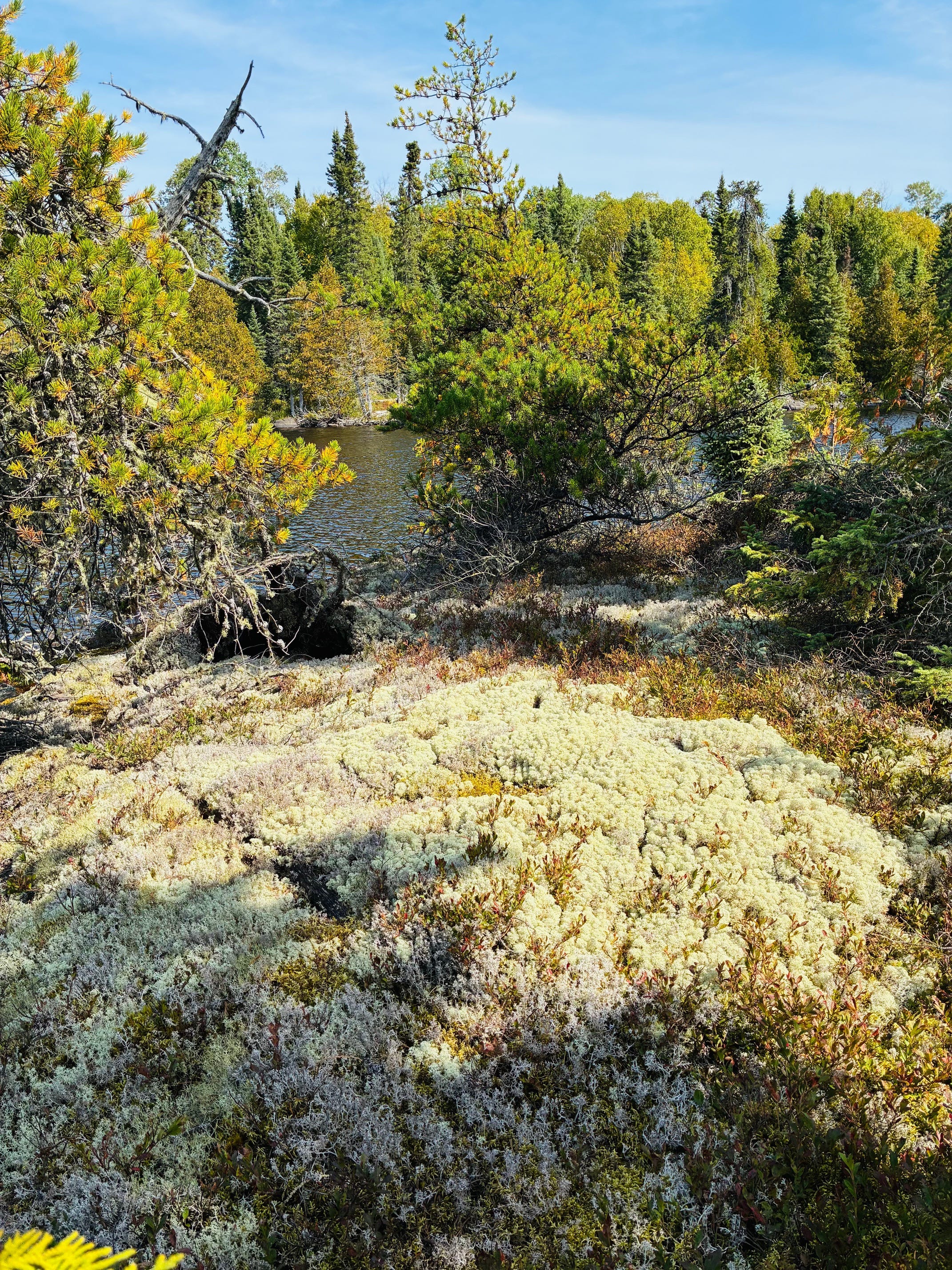
Much to my surprise, maybe six months after his burning, Fillmore Grin pulled me aside one winter morning beside the Kickapoo River. He talked for roughly three minutes. Told me about stones and family. He explained his family was indivisible. They were held together like sedimentary rock—ground up, pressed, and molded; mixed and stirred, heavy but not suffocating, unified across time. One after another, above and below. When one of them would die, they made a point of laying the heaviest and largest stone they could find above the buried body so the only thing to escape was the soul, not the memories.
“A soul we can do without. Memories, we use those over and over again when we garden, fish, cook, and think.”
While Fillmore spoke, I think he was gazing far away, reconfirming a memory from his past, and I just happened to be nearby. We weren’t close, had only shared a few morning waves over the years. After talking to me, his lips were bleeding. I knew better than to say a word, just nodded. We both went our own ways.
Not much of a talker myself, I didn’t speak for the next couple of days. I picked up smooth stones I came across and thought about the people I’ve known during my life, thought about those who have passed away—all the aunts, uncles, grandparents, parents, cousins, and friends. I grasped a few rocks tighter than I had expected.
My writing advice: put down your pencils, pens, phones, and keypads. Listen to the noise the wind makes. Inhale deeply. Memorize the exact moment and place you are right now.
Discover which rocks speak secrets.
I’m a lesser-known member of the
I try and post unique and one-of-a-kind columns you won’t find anywhere else on Substack or the collaborative. I hope to keep indie book publishing and good writing vibrant.
Steve, that is a beautiful story with much to contemplate.
What a riveting post - I want to meet this man!!